Where we're invested next.
Four themes define the decade ahead. Lily Funds has been positioned in them since Rocket Lab traded at four dollars.
Four themes, one thesis: the Fourth Industrial Revolution is capital-intensive, policy-backed, and still early. Here is where Lily is positioned, and why.
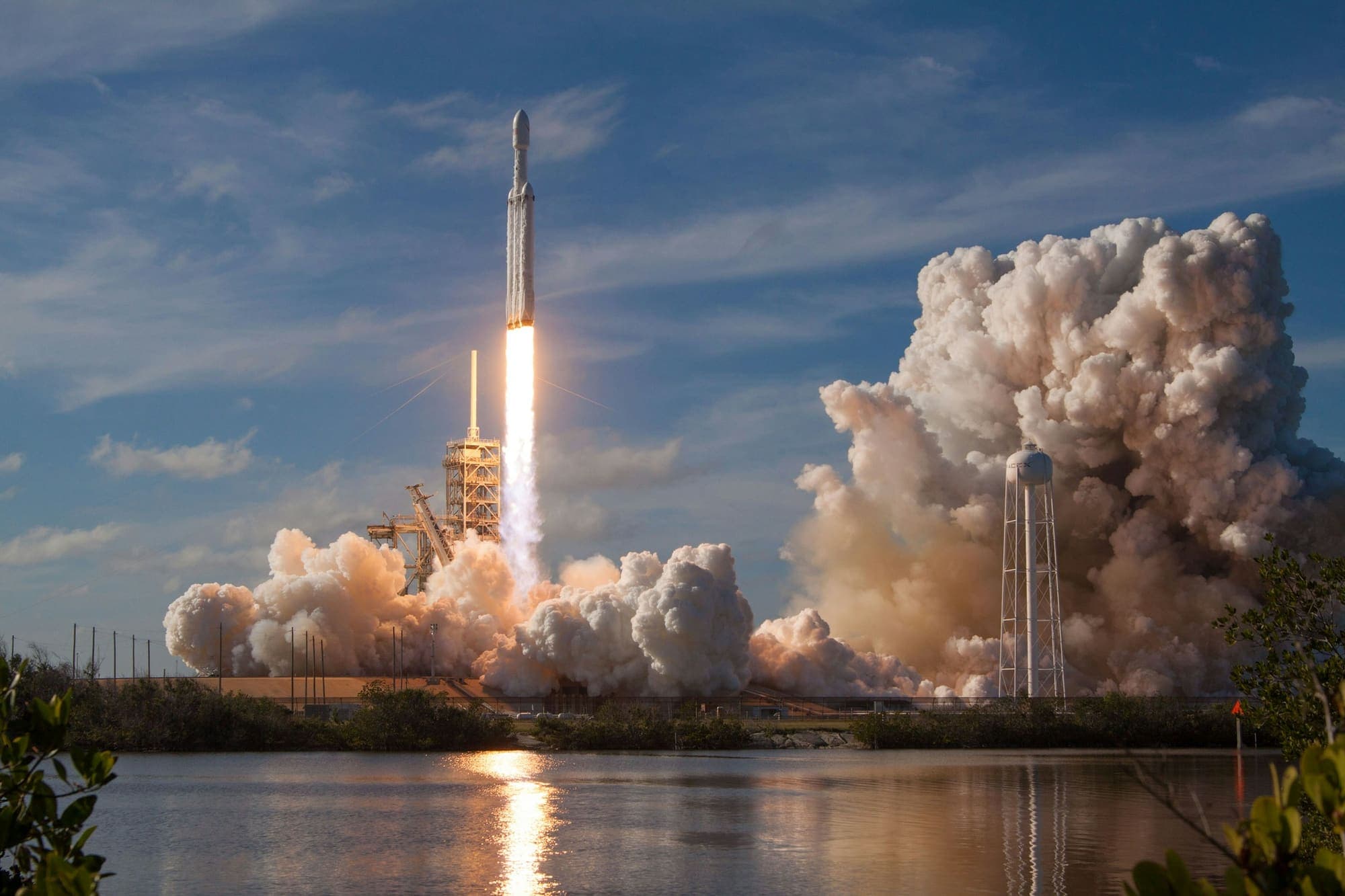
The space economy.
Launch is no longer the story — it's the utility underneath everything else. Reusable rockets collapsed the cost of orbit, and what follows is an economy: satellite constellations, Earth observation, in-space manufacturing, and the defense missions that now depend on all of it. The winners own cadence, vertical integration, and government trust.
- The cost of reaching orbit has fallen roughly tenfold in twenty years, and it is still falling — every downstream business is priced off that curve.
- SpaceX listed on Nasdaq in June 2026, raising $85.7 billion — the largest offering on record, and the watershed this asset class had been waiting on. A public comparable now prices the sector for everyone else and gives institutional capital a way in.
- The bull case runs to $2.3 trillion by 2035 if access costs fall faster than expected — the base case already assumes they keep falling.
AI & robotics.
Intelligence became cheap; now it gets a body. Labor scarcity, reshoring, and the economics of automation are pulling robots out of the demo video and onto the factory floor, the warehouse aisle, and the battlefield. The compounding happens where AI, actuators, and real-world data meet.
- Humanoids left the research lab in 2025–26 — Hyundai put its Atlas robot into production settings. They remain costlier and less capable than task-specific arms; the position is on optionality, not on today's spec sheet.
- The Pentagon put $13 billion behind autonomous systems in its 2026 budget, $5.3 billion of it unmanned vessels. Defense money has funded this transition before — GPS and the internet both started there.
- The unit economics already work: drone inspection cuts energy-infrastructure costs by more than 70% against helicopters and climbers, and prescription mapping cuts agricultural chemical use 20–30% without giving up yield.
Cybersecurity.
The only arms race with no ceasefire. Every new technology — AI above all — expands the attack surface faster than it hardens the defenses, and every board, insurer, and government is now a forced buyer. Spend compounds through recessions; breaches don't wait for the cycle.
- Organizations faced an average of 1,968 attack attempts a week in 2025 — up 18% in a year and 70% since 2023. At that volume security stops being a budget line and becomes a forced purchase.
- Ransomware victims grew 48% year over year, and automation compressed dwell time from weeks to days. Legacy signature-based defenses are being outrun in real time.
- The money is moving to specific places: cloud security posture management growing 31% a year, zero-trust network access 23%, threat intelligence 22% — all roughly triple the market's own growth rate.
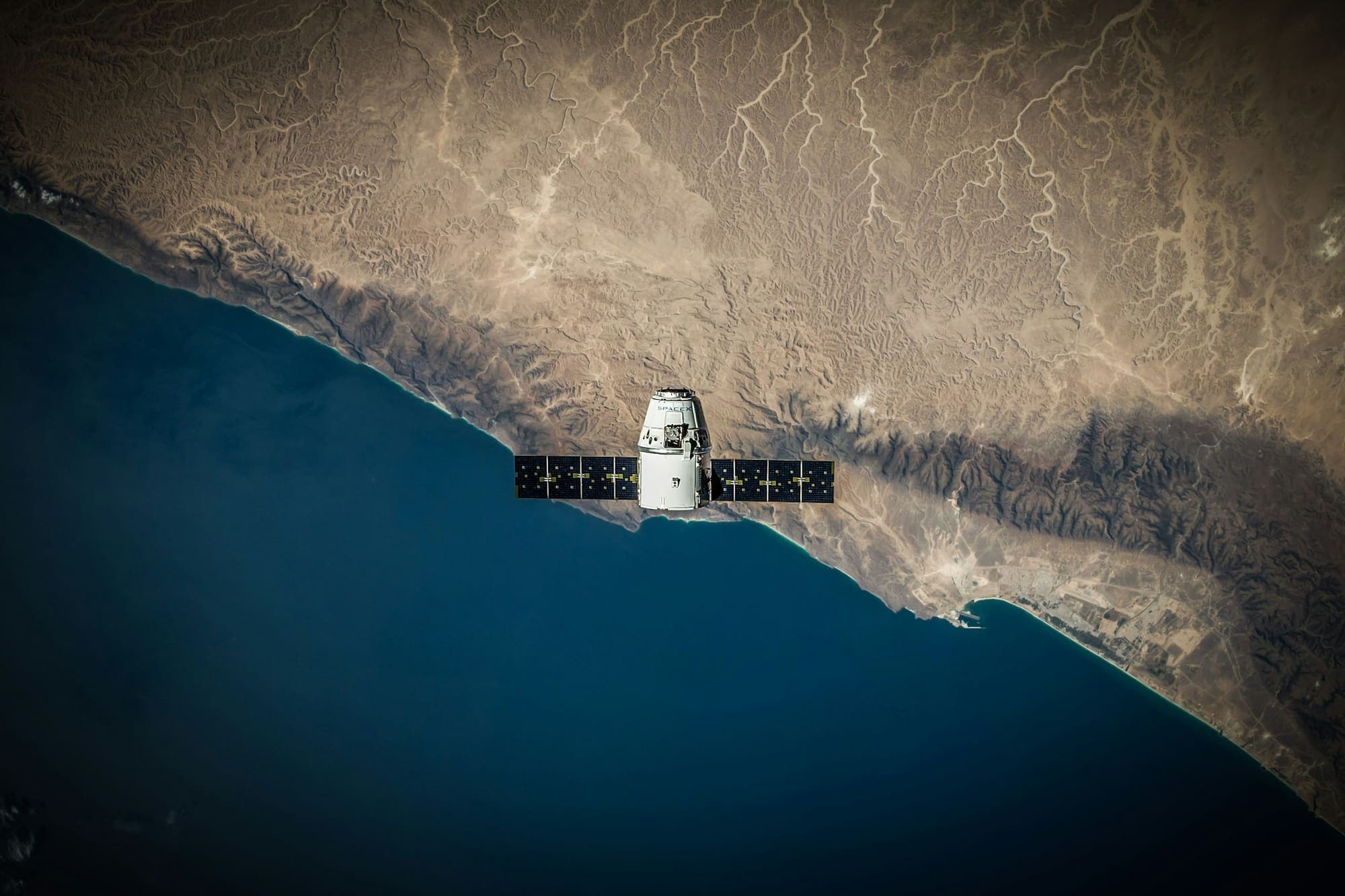
Defense communications.
Modern war is a networking problem. Proliferated satellite architectures, tactical data links, and programs like the Space Development Agency's constellation and Golden Dome are rebuilding how forces sense, decide, and communicate — and the budget lines behind them survive every change of administration.
- Tactical communications alone runs from roughly $21 billion in 2025 toward $30 billion by 2030 — the mobile, battlefield end of the market rather than fixed installations.
- Satellite defense capex rises from about $30 billion in 2025 to $45 billion by 2028 as LEO constellations, protected SATCOM, and space-based ISR become core to deterrence.
- The rotation matters more than the top line: budgets are moving out of legacy platforms and into munitions, space, missile defense, and advanced electronics. Networks over steel.
Market figures are industry projections as of 2026.
Positioned in all four since Rocket Lab traded at four dollars.
The Lily SMA approach